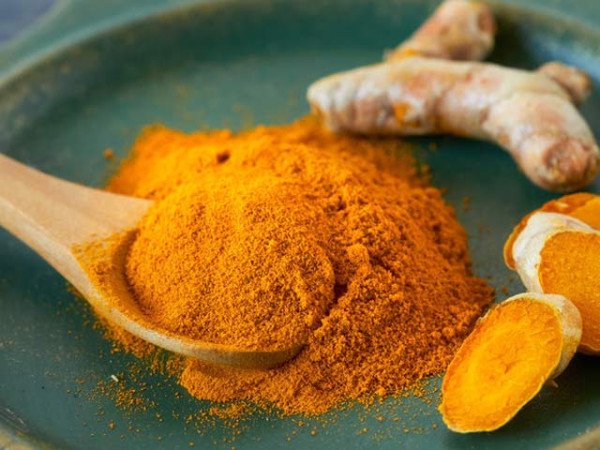

Turmeric, a staple spice in South Asian cuisine for centuries, is increasingly recognized by global health experts for its therapeutic properties, primarily driven by its key active compound, curcumin.
Scientific literature highlights curcumin as a potent anti-inflammatory and antioxidant agent. Chronic inflammation and oxidative stress are widely linked to conditions such as obesity, cardiovascular disease, cancer, and neurodegenerative disorders. Studies indicate that curcumin neutralizes free radicals and mitigates cellular damage, promoting better circulatory health, improving blood vessel function, and assisting in the management of LDL cholesterol levels.
Additionally, ongoing research evaluates curcumin’s role in supporting brain function, cognitive health, and digestive wellness, where it has traditionally been utilized to soothe gastrointestinal discomfort. While turmeric remains a valuable nutritional supplement, medical professionals advise consulting healthcare providers rather than using it as a direct substitute for medical treatments.