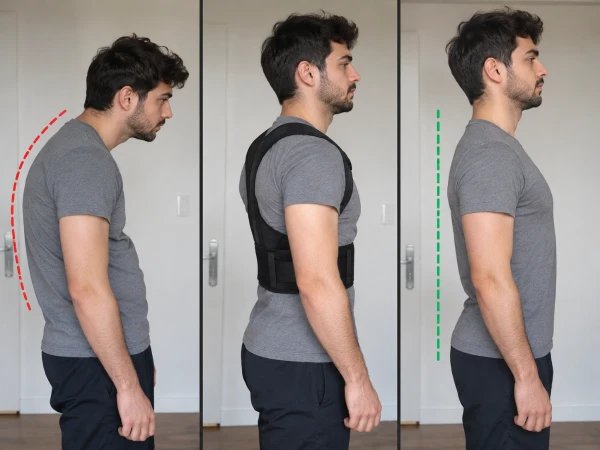

Prolonged desk work, excessive mobile and laptop usage, and stationary sitting habits frequently lead to poor posture and slouching. While posture correction belts are often marketed as an easy solution to keep shoulders and backs straight, health experts emphasize viewing them as physical reminders rather than a permanent medical cure.
According to ergonomics and health specialists, posture belts create gentle resistance when shoulders slump forward, helping individuals become aware of poor alignment. However, scientific evidence supporting the idea that wearing a belt alone permanently corrects posture is limited. Furthermore, ergonomic guidelines from agencies such as OSHA note that sitting rigidly in a single position for hours is counterproductive; regular movement and posture variation remain essential.
Experts recommend choosing adjustable belts that offer gentle feedback rather than forcing shoulders backward, and using them for limited durations as reminders. Addressing posture requires a holistic approach, including optimizing workstation setups—such as ensuring proper lumbar support in office chairs and positioning computer screens at eye level—alongside core strengthening and mobility exercises.