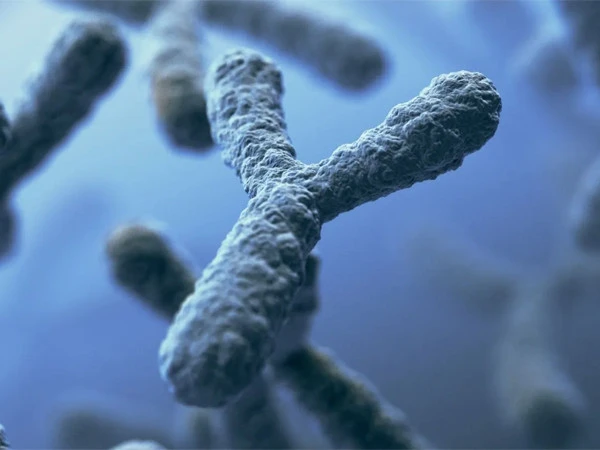

A groundbreaking study led by researchers at the University of Arizona has uncovered evidence pointing toward a genetic domino effect that could lay the groundwork for carcinoma development, positioning the loss of the Y chromosome as a crucial potential marker for future cancer risk.
While human attachment to the fragile Y chromosome might not be overly sentimental, statistics show that approximately 40% of men lose the Y chromosome in a portion of their body tissues by age 70. For men reaching 90 years of age, the probability of Y chromosome loss climbs to nearly 60%.
This gradual loss triggers a mosaic effect throughout the body, where every cell shedding the chromosome generates a unique micro-environment of tissues genetically distinct from surrounding cells. Over recent years, this mosaic phenomenon has been increasingly linked to various health complications, including chronic kidney disease, tissue fibrosis, and an elevated risk of severe COVID-19 infections.