
e federal government has formally established a Prime Minister-led Trade Facilitation Board to address regulatory challenges, streamline cross-border trade, and oversee structural economic reforms necessary for export-led growth.
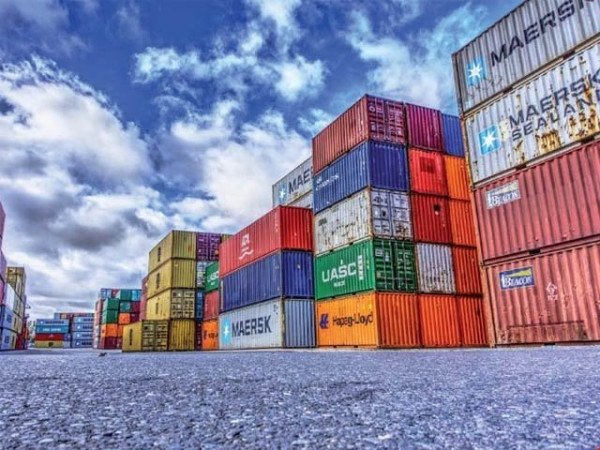
The decision arrives as economic analysts highlight Pakistan’s low trade integration, with total trade in goods and services accounting for roughly 27 percent of GDP compared to the global average exceeding 56 percent. While the government approved a five-year tariff reform plan in June 2025 to mitigate protectionist tariffs, non-tariff barriers and administrative delays continue to impede trade flow. Despite initial modernizations through the Pakistan Single Window system, local container dwell times remain averaged at nearly 10 days—significantly higher than regional benchmarks such as India (2 days) and Kenya (3 days).
Experts point to key institutional hurdles, including legacy customs controls, reliance on physical inspections, and outdated valuation frameworks. Currently, fewer than 50 percent of cargo containers in Pakistan pass through the low-risk Green Channel, compared to over 80 percent pre-arrival clearance rates in trade hubs like the United Arab Emirates. The newly formed board will focus on harmonizing multi-agency border procedures, expanding risk-based AI analytics for clearance, and implementing genuine compliance with World Trade Organization (WTO) trade facilitation standards.