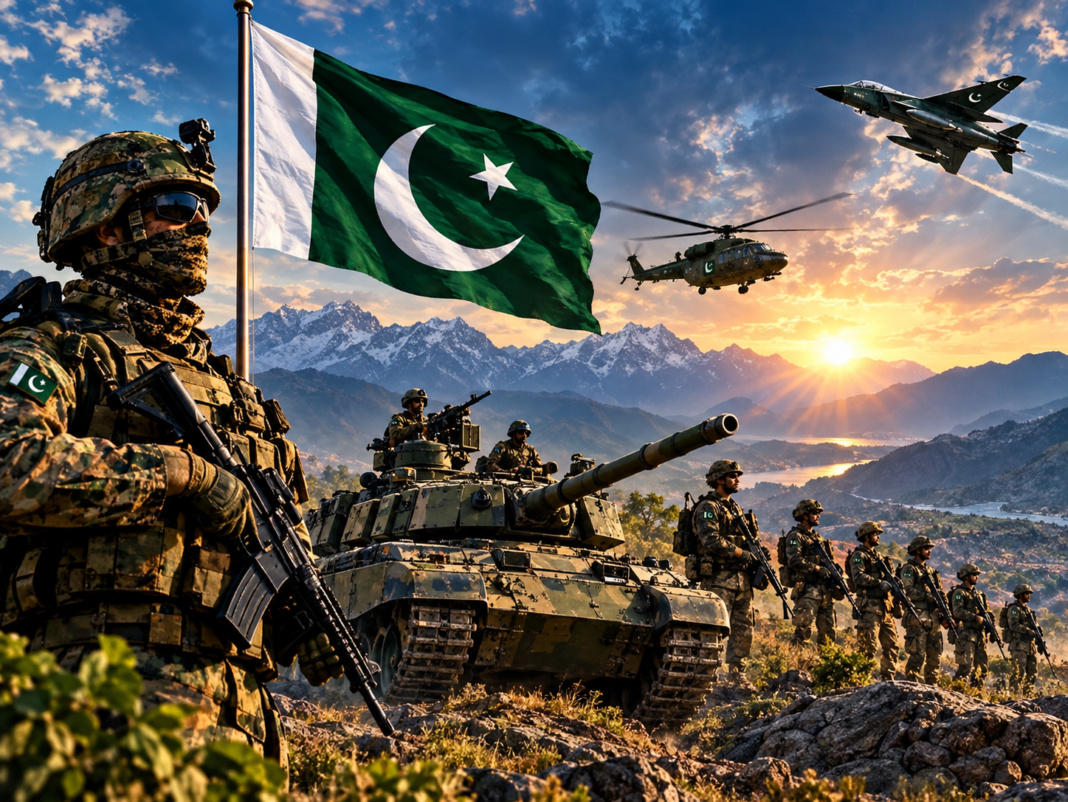

On the seventh day of the 1965 war (September 7), Indian military forces suffered severe setbacks across multiple sectors, with an official Indian spokesperson admitting the failure of offensives targeting Lahore, Sulemanki, and Ferozepur.
During aerial engagements on September 7, a total of 31 Indian aircraft were destroyed, bringing the total tally of destroyed Indian planes to 53. President Ayub Khan paid rich tribute to the Pakistan Air Force (PAF) for its remarkable performance while reiterating to UN Secretary-General U Thant that only a free plebiscite could bring lasting peace to Kashmir. Simultaneously, Commander-in-Chief of the Pakistan Army General Musa ordered all retired military officers and soldiers to report for duty.
Naval Chief Admiral A.R. Khan commended the Pakistan Navy, whose fleet—including PNS Babur, Khaibar, Badr, Jahangir, Alamgir, Shah Jahan, and Tippu Sultan—successfully contained enemy naval movement within its own territorial limits. In recognition of outstanding gallantry in the Jaurian sector of Kashmir, Major General Akhtar Hussain was awarded the Hilal-i-Jurat. Amid threats from India to expand conflict boundaries toward East Pakistan, Governor Abdul Monem Khan warned of dire consequences for any aggression, while Pakistan assured the Sikh community that the sanctity of their sacred sites would remain fully protected.